
According to the CEIR Index, B2B exhibitions continue to grow as a lead source, but the majority of event-influenced interest goes uncaptured. You just spent $30,000 on a conference booth. Your team worked the floor for three days, collected a pile of business cards, and scanned hundreds of badges. For the next 72 hours, your website traffic spikes 3-5x above normal. People who met you at the booth are checking out your product. People who heard your talk are reading your case studies. People who grabbed your swag are finally looking at what you actually do.
And then the spike fades, and 95% of those visitors remain anonymous.
Your badge scans captured maybe 200 contacts. Your website got 2,000 extra visitors in the three days after the event. That’s 1,800 people who showed interest, visited your site, and disappeared without a trace. You’ll never know who they were, what they looked at, or how close they were to becoming customers.
This happens after every event. Conferences, webinars, product launches, podcast appearances, press mentions - any moment that drives a traffic spike. The spike is proof that your event investment worked. But without visitor identification, you capture a fraction of the people who responded to it.
Here’s how to change that.
Table of Contents
- The Post-Event Traffic Window
- Why Most Event Leads Are Lost
- Capture Post-Event Visitors with Leadpipe
- Timeframe Filtering: Query the Event Window
- Cross-Reference with Your Attendee List
- Webinar Follow-Up: The Invisible Attendees
- Product Launch Spikes
- Building the Post-Event Outreach Sequence
- Measuring Event ROI with Visitor Data
- FAQ
The Post-Event Traffic Window
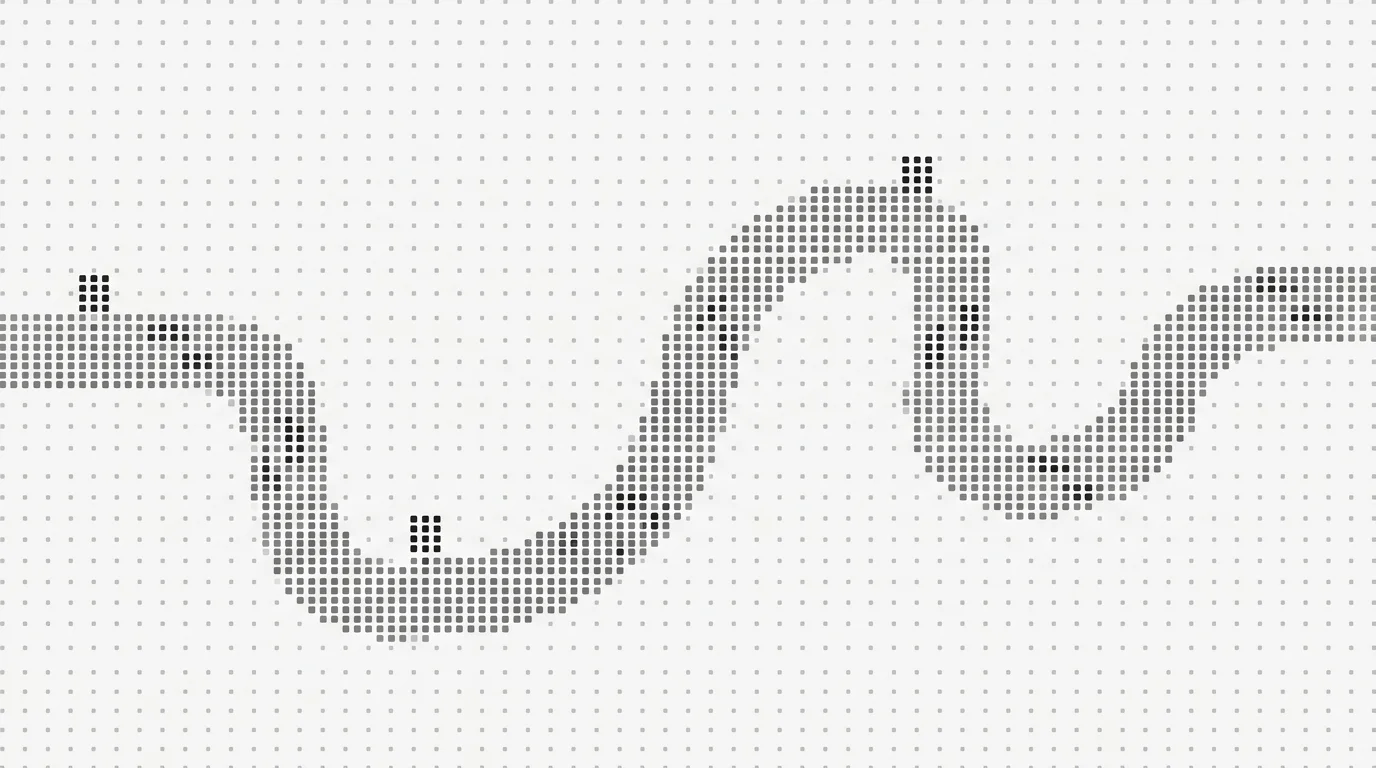
Every event creates a predictable traffic pattern. Understanding this pattern is the first step to capturing value from it.
Conference/trade show pattern:
- Day 0 (event day): 20-30% traffic increase - people checking your site between sessions
- Day 1-2 (immediately after): 3-5x traffic spike - attendees researching companies they met
- Day 3-5: 2-3x above normal - the “I’ll check them out this week” crowd
- Day 6-14: Gradual decay back to baseline
- Day 15+: Normal traffic resumes
Webinar pattern:
- During webinar: Minimal - attendees are watching, not browsing
- 0-4 hours after: Sharp spike - attendees immediately checking your site
- Day 1-2: Moderate increase - attendees who saved it for later
- Day 3-7: Slight elevation as recording viewers trickle in
- Day 8+: Back to normal
Product launch/press mention pattern:
- Hour 0-2: Massive spike if the coverage hits a popular outlet
- Day 1: Still elevated as social shares propagate
- Day 2-3: Rapid decay
- Day 4+: New baseline (slightly higher if the coverage was significant)
The common thread: the post-event traffic window is short. You have 72 hours where event-driven visitors are most active on your site. After that, the opportunity evaporates. The people who visited during that window move on, and you’ve lost the chance to identify and engage them.
Why Most Event Leads Are Lost
Your event team collects leads through badge scans, business card exchanges, and demo sign-ups at the booth. These are valuable, but they represent a small fraction of the people your event actually influenced.
The event influence funnel:
1,000 people attend the conference
  ↓
300 walk past your booth
  ↓
100 stop and have a conversation
  ↓
60 scan their badge
  ↓
2,000 visitors hit your website in the 72 hours after
  ↓
??? (anonymous)
That last line is the problem. The badge scans capture the people who engaged directly with your booth staff. But they miss:
- Walk-by visitors who noticed your booth but didn’t stop, then Googled you later
- Session attendees who heard your speaker and checked your site afterwards
- Social followers who saw your event posts and clicked through
- Referral visitors who heard about you from someone they met at the conference
- Returning visitors who met you at a previous event and are checking back in
These people are event-influenced leads. They showed enough interest to visit your website. But because they didn’t scan a badge or fill out a form, they’re invisible in your post-event reporting.
With Leadpipe running on your site, you can identify 30-40% of these anonymous visitors. On a 2,000-visitor post-event spike, that’s 600-800 identified contacts - compared to the 60 badge scans your booth team collected.
Capture Post-Event Visitors with Leadpipe
If Leadpipe’s pixel is already installed on your site, you don’t need to do anything special before an event. The identification happens automatically, 24/7. Every visitor who hits your site during the post-event window gets identified the same way as any other visitor.
The work is in how you query and segment that data afterwards.
Pre-event checklist:
- Confirm Leadpipe pixel is active on all pages (especially product, pricing, and case study pages)
- Set up a dedicated webhook or Slack channel for event-period alerts
- Prepare your attendee list for cross-referencing (more on this below)
- Brief your sales team on the expected traffic spike and response plan
During the event:
- Monitor your Slack alerts for real-time identifications
- Flag any identified visitors who match your ICP for immediate follow-up
- Note which pages post-event visitors are viewing most - this tells you what resonated
Post-event (within 72 hours):
- Pull the full list of identified visitors from the event window
- Cross-reference with badge scans and attendee list
- Segment by behavior (pricing page visitors vs. blog readers)
- Launch targeted outreach sequences
Timeframe Filtering: Query the Event Window
The key to extracting event-specific leads is querying visitors within a precise timeframe. You need to isolate the visitors who came during the post-event window from your regular traffic.
Using the Leadpipe API:
Query identified visitors from the event date through 72 hours after:
GET /api/visitors?start_date=2026-04-15&end_date=2026-04-18This returns every identified visitor during that window. For a conference that ran April 15-16, you’d query April 15-18 to capture the full post-event tail.
Filtering for quality:
Not every visitor during the event window is event-related. Your regular traffic continues alongside the spike. To isolate event-influenced visitors, look for:
- First-time visitors during the window (new contacts who haven’t visited before)
- Visitors who viewed event-related pages (if you created a landing page for the conference)
- Visitors from the event’s geographic area (if it was an in-person conference)
- Visitors whose companies match the attendee list (cross-reference, covered next)
UTM parameter correlation:
If your event marketing used tracked URLs - on your booth signage, your speaker slides, your event-specific landing page - you can correlate UTM data with identified visitors. The visitor who arrived via ?utm_source=saastr2026&utm_medium=booth is almost certainly event-influenced.
Even without UTMs, the timing alone is a strong signal. A first-time visitor who shows up on the day after a major conference and views your pricing page is very likely event-influenced.
Cross-Reference with Your Attendee List
This is where the real magic happens. You have two lists:
- Attendee list - people who registered for or attended the event (from badge scans, registration exports, or the event organizer)
- Identified visitors - people Leadpipe identified on your site during the event window
The cross-reference reveals three valuable segments:
Segment A: Attended the event AND visited your website
These are the highest-intent leads. They met you (or heard about you) at the event and then specifically went to your website to learn more. They’ve demonstrated interest through two separate actions.
Action: Prioritize for immediate, personalized outreach. Reference the event in your message.
Segment B: Visited your website but NOT on the attendee list
These people heard about you through the event (social media, word of mouth, press coverage) but didn’t attend or didn’t interact with your booth. They’re still event-influenced - the timing proves it.
Action: Outreach without referencing the specific event, since you can’t confirm they attended. Focus on their page behavior instead.
Segment C: Attended the event but did NOT visit your website
These are your badge scans and booth contacts who haven’t followed up with a website visit yet. They might still be processing their notes from the conference.
Action: Standard event follow-up sequence. Include a link to a relevant resource on your site - and when they click, Leadpipe will identify the visit, moving them to Segment A.
The cross-reference turns your post-event follow-up from a single, generic email blast into three targeted sequences based on actual behavior.
Webinar Follow-Up: The Invisible Attendees
Webinars have their own version of the post-event identification challenge. And in some ways, it’s even more acute.
The webinar follow-up gap:
Your webinar had 400 registrants. 220 attended live. Your follow-up goes to all 400: “Thanks for joining! Here’s the recording.” Maybe 30 people reply or click through.
Meanwhile, 150 of those attendees visited your website within 24 hours of the webinar. They checked your pricing, read a case study, looked at your integration options. They did exactly what your webinar was designed to encourage - and you had no idea who did what.
How visitor identification changes webinar follow-up:
Instead of one generic follow-up email to all registrants, you can now segment:
| Behavior After Webinar | Follow-Up Approach |
|---|---|
| Visited pricing page | Personal email from AE with custom demo offer |
| Visited case studies | Share the specific case study they viewed |
| Visited integration docs | Offer a technical walkthrough |
| Visited blog/resources | Add to nurture sequence with related content |
| No website visit | Standard recording follow-up |
Pro tip: Create a webinar-specific landing page that links to your most important conversion pages. When webinar attendees click through from the recording email to that landing page and then navigate to pricing, you’ve captured a multi-step buying signal.
Product Launch Spikes
Product launches and major feature announcements create similar traffic spikes, but the visitor profile is different. Post-launch visitors fall into a few categories:
- Existing customers checking out the new feature
- Prospects who were waiting for this specific capability
- Competitors doing intelligence gathering
- Press and analysts following up on coverage
- General curious visitors driven by social media
Identifying high-value launch visitors:
Filter identified visitors by job title and company size to separate serious prospects from casual browsers. A VP of Marketing at a 500-person SaaS company who visits your new feature page is a very different signal than a college student who saw your ProductHunt post.
Launch-specific outreach:
For prospects identified during a launch spike, your outreach should reference the new capability:
“We just launched [feature] this week, and based on your company’s profile, I think it could help with [specific challenge]. Would you be interested in seeing how it works?”
This is timely, relevant, and doesn’t reveal that you identified their anonymous visit.
Leadpipe identifies 30-40% of your anonymous website visitors with full contact data. Every event, webinar, and product launch creates a traffic spike full of potential leads. Capture them.
Start your free trial - 500 leads, no credit card →
Building the Post-Event Outreach Sequence
The outreach for event-influenced visitors needs to be fast, relevant, and segmented. Here’s a framework:
Timeline:
- Within 24 hours: Reach out to visitors who viewed high-intent pages (pricing, demo, case studies)
- Within 48 hours: Reach out to visitors who match your ICP but viewed informational pages
- Within 72 hours: Add remaining identified visitors to an event-specific nurture sequence
Sequence structure for high-intent post-event visitors:
Email 1 (Day 0-1): Connection email referencing a relevant topic from the event or their area of interest. Include one valuable resource.
Email 2 (Day 3): Follow-up with a specific piece of content relevant to the pages they visited on your site.
Email 3 (Day 7): Soft ask for a conversation, framing it around a challenge common to their industry or role.
LinkedIn touch (Day 1-2): Connection request with a brief, personalized note. No pitch in the connection request.
Key principles:
- Never say “I saw you at our booth” unless you actually met them in person
- Never say “I noticed you visited our website”
- Reference the event topic or industry theme, not their specific behavior
- Lead with value in every touch
- Speed matters - the window closes fast
Measuring Event ROI with Visitor Data
Events are notoriously hard to measure. Harvard Business Review has noted that traditional event metrics like badge scans undercount true impact. Badge scans and “leads collected” are the standard metrics, but they undercount the true impact by 10-30x.
With visitor identification, you can build a complete event ROI picture:
Traditional event metrics:
- Badge scans: 60
- Demo sign-ups at booth: 12
- Cost per badge-scanned lead: $500
With visitor identification added:
- Badge scans: 60
- Post-event identified visitors: 700
- Post-event identified visitors matching ICP: 280
- Total event-influenced leads: 340 (60 badge + 280 identified ICP)
- Cost per lead: $88
Pipeline attribution:
Track which post-event identified visitors eventually enter your pipeline. If 15 of your 280 ICP-matched visitors become opportunities worth $750K in pipeline, your $30K conference investment generated a 25x return on pipeline - a story your CMO can actually tell the board.
This changes the ROI conversation for events entirely. Instead of defending a $30K spend with “we collected 60 leads,” you’re showing that the event influenced 340 qualified contacts, 15 of which entered pipeline. That’s a metric the C-suite respects.
FAQ
Do I need to set anything up before an event?
If Leadpipe’s pixel is already on your site, identification happens automatically. The main preparation is: (1) set up a dedicated Slack channel or webhook for event-period alerts, (2) prepare your attendee list for post-event cross-referencing, and (3) brief your sales team on the response plan.
What about virtual events and webinars?
The same approach works. Webinar attendees who visit your site afterward are identified just like any other visitor. The cross-reference with your webinar registration list is especially valuable because it tells you which attendees took the next step and which ones didn’t.
How do I know if a visitor was actually event-influenced vs. just regular traffic?
Timing is the strongest signal. First-time visitors who appear during the 72-hour post-event window are very likely event-influenced. You can further validate by checking if their company was on the attendee list, if they arrived from an event-related UTM, or if they viewed pages related to topics covered at the event.
Can I use this for smaller events like meetups and dinners?
Absolutely. Even a small dinner with 20 attendees can generate post-event website traffic. The approach is the same, just at a smaller scale. Cross-reference your guest list with identified visitors to see which dinner attendees followed up with a website visit.
What’s the best way to follow up without being creepy?
Never mention the website visit. For event-influenced visitors who were on the attendee list, you can reference the event: “Following up from SaaStr - I think our [product area] could help with [challenge].” For visitors who weren’t on the attendee list, lead with a relevant resource or industry insight instead.
Don’t Let Your Event Investment Evaporate
You spent the money. You worked the booth. You gave the talk. The traffic spike proves that people responded. The only question is whether you capture those people or let them fade back into the anonymous crowd.
Every post-event traffic spike is a window. It opens for about 72 hours, and then it closes. The visitors who came during that window are the warmest leads your event will ever produce - they actively sought you out based on something they saw, heard, or experienced.
Leadpipe identifies 30-40% of anonymous visitors with full contact details. No forms needed. Setup takes 5 minutes. Start with 500 free leads.
Start capturing post-event visitors →