
Definition
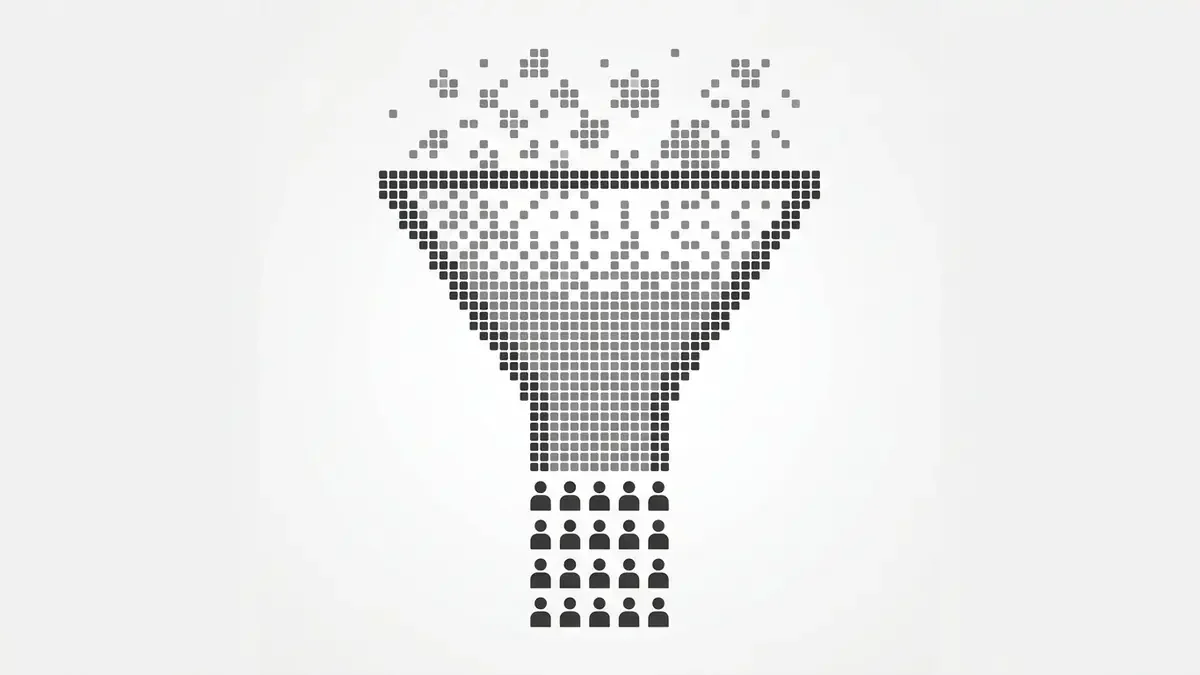
Intent data is information collected about a person’s or company’s online behavior that signals active interest in purchasing a product or service. It goes beyond basic demographics or firmographics to capture what someone is researching, how intensely they are researching it, and when that research is happening. In B2B, intent data is used to identify in-market buyers before they ever fill out a form or contact a vendor.
How It Works
Intent data comes from tracking and analyzing digital behavior at scale. When a person reads articles about “CRM migration,” downloads a whitepaper on sales automation, visits three competitor websites in a week, and searches for pricing comparisons, those actions collectively signal purchase intent.
There are three primary types of intent data. First-party intent data comes from your own properties - your website, your app, your emails. A visitor who hits your pricing page three times in a week is showing first-party intent. Second-party intent data comes from a partner’s properties - for example, a review site like G2 sharing data about who is reading reviews in your category. Third-party intent data is collected across the open web by data providers who monitor content consumption, search behavior, and engagement patterns across thousands of publisher sites.
The most actionable form of intent data combines behavioral signals with identity. Knowing that “someone at Acme Corp is researching visitor identification” is useful. Knowing that “Sarah Chen, VP of Marketing at Acme Corp, visited your pricing page and read two competitor comparison posts this week” is far more powerful. This is where visitor identification and intent data intersect - and why tools that combine both (like Leadpipe’s Orbit) are gaining traction.
Intent scoring models aggregate these signals and assign a score representing how likely a company or person is to buy. Surge detection algorithms identify when research activity spikes above a baseline, flagging accounts that have shifted from passive awareness to active evaluation.
Why It Matters
Without intent data, sales and marketing teams operate on a first-come-first-served model. You wait for someone to raise their hand - fill out a form, request a demo, reply to an email. By that point, research shows buyers are already 70% through their evaluation.
Intent data flips the timing. You can identify in-market buyers while they are still in the research phase, before they have contacted any vendor. This gives your team a window to engage early, shape the conversation, and establish your product as the front-runner.
The practical impact is measurable. Teams using intent data to prioritize outreach consistently report 2-3x higher conversion rates compared to static account lists. Instead of spraying messages across 10,000 accounts, you focus on the 200 accounts actively researching your category right now.
Examples
-
Sales prioritization: An SDR team uses intent data to sort their account list by research activity. Instead of working alphabetically or by company size, they call the accounts showing the highest intent scores first - and see reply rates jump from 3% to 18%.
-
Ad targeting: A demand gen manager builds LinkedIn ad audiences from companies surging on intent topics related to their product category. The campaigns run at 40% lower cost-per-lead because they target people who are already in-market, not cold audiences.
-
Competitive displacement: A sales team monitors intent data for competitor brand searches. When a target account starts researching a competitor by name, the team triggers a personalized outreach sequence highlighting their differentiation.
Related Concepts
| Concept | Description | Learn More |
|---|---|---|
| Buyer Intent | The specific signals indicating someone is ready to purchase | What Is Buyer Intent? |
| Visitor Identification | Identifying who visits your website without forms | What Is Visitor Identification? |
| ICP | The profile of your ideal customer, used to filter intent signals | What Is ICP? |
| ABM | Account-based marketing, often powered by intent data | What Is ABM? |
| Data Enrichment | Adding firmographic and contact data to intent signals | What Is Data Enrichment? |
Try Leadpipe free with 500 leads ->
FAQ
What does intent data mean in B2B?
Intent data is information about a person’s or company’s online behavior that signals active interest in purchasing a product or service. It tracks content consumption, search activity, competitor research, and pricing page visits to reveal who’s in-market right now. B2B teams use intent data to identify buyers before they fill out a form - while there’s still time to shape the evaluation rather than arriving after the shortlist is set.
How is intent data different from buyer intent?
Intent data is the raw behavioral signal. Buyer intent is the scored, interpreted readiness level you derive from that data. For example, intent data might tell you a person viewed a pricing page three times; buyer intent is the score that says “this person is in the top 5% of purchase-ready prospects right now.” Intent data is the input; buyer intent is the output after scoring and filtering.
What are the types of intent data?
Three types. First-party intent comes from your own properties - your website, app, and emails. Second-party intent comes from a partner’s properties, like review sites sharing data about who’s reading reviews in your category. Third-party intent is collected across the open web by data providers monitoring content consumption and searches on thousands of publisher sites. The most actionable layer combines all three with identity resolution so you know exactly which person is surging.
What tools provide intent data?
Account-level intent data comes from 6sense, Bombora, Demandbase, and ZoomInfo - they track research activity at the company level. Person-level intent data is newer and harder to find; Leadpipe Orbit covers 20,000+ topics across 4.44 billion individual profiles. Person-level is more actionable for sales outreach because you can reach out to a named contact instead of trying to figure out who at a company is doing the research.