

Strategy
Should You Stop Scoring Leads and Score Moments?
Lead scoring treats people as static records. Buying is dynamic. Here is why we replaced lead scoring with moment scoring, and what changed in pipeline.
62 articles
Lead scoring treats people as static records. Buying is dynamic. Here is why we replaced lead scoring with moment scoring, and what changed in pipeline.

How hardware startups surface enterprise buyers researching their product before procurement sends a cold RFQ or the champion disappears.

How telecom enterprise sellers identify carriers, operators, and enterprise buyers 90-180 days before procurement issues an RFP.

Common Room vs Orbit compared honestly. Community signal intelligence vs web intent, what each tool actually measures, pricing, and fit.

Step-by-step guide to building a 200-account ABM watchlist in Orbit, with ICP filters, domain upload, topic selection, and daily refresh.

Third-party intent vendors sell licensed co-op signals. First-party intent reads behavior you own. Here's why the shift is accelerating in 2026.

Not all intent data is usable by an LLM. Here's the shape, refresh rate, and person-level granularity agents actually need to write a good email.

How a partner manager uses intent data and visitor identification to find co-sell accounts, prioritize partner plays, and prove ecosystem sourced pipeline.

What the insurtech buyer journey actually looks like, from actuarial research through underwriting RFP, and the intent signals at each stage.

A full tour of the sources AI sales agents pull intent data from, which are machine-ready, which are not, and how to tell them apart.

Most intent data vendors license signals from the same co-ops. Here's why proprietary, first-party intent beats licensed feeds for B2B pipeline.

A field guide to reading the Orbit intent score from 1 to 100, what each band represents, and how to set thresholds that surface real buyers.

The model is not the bottleneck. The data is. Here's the minimum data stack every AI SDR needs before it sends a single email.

Firmographics still matter, but they are the floor, not the ceiling. Here is what still works, what is dead, and what to do instead.

ZoomInfo gives you a database. But a database without timing is just a cold list. Here's why intent-first beats database-first for pipeline.

How a cross-site pixel network produces person-level intent: pixel observation, identity join, scoring, and why this beats licensed bid-stream feeds.

Orbit by Leadpipe turns keyword-level research behavior into person-level audiences you can act on. Find in-market buyers by topic, filter by ICP, export daily.

How dev-tools companies find the engineers, platform teams, and VPs reading their changelog, pricing, and API docs without ever filling a form.

A week-by-week look at how Orbit catches buyers in the research phase, how early signals appear, and what thresholds surface genuine intent vs noise.

A field guide to the intent signals climate-tech sales teams should track, from ESG team research to procurement of carbon accounting tools.

Identity data is becoming a primitive in the AI stack - like vector databases for RAG. Here's why AI agents need real-time identity resolution to work.

How demand gen managers use visitor identification and Orbit intent data to build campaigns that target in-market buyers, not cold audiences.

Scraped contact databases are cheaper, more regulated, and less differentiated than ever. Here's why the aggregator model is breaking in 2026.

ABM targets specific high-value accounts with personalized campaigns. Learn how it works, why it outperforms broad marketing, and how to get started.

A step-by-step playbook for building a Leadpipe Orbit audience that produces booked meetings, not noise. Topic selection, filters, refresh cadence, sizing.

Buyer intent is the measurable likelihood that a prospect is ready to purchase. Learn the signals, scoring models, and how B2B teams act on intent.

Wire Orbit intent audiences into HubSpot so target accounts light up with in-market buyer activity, refreshed every 24 hours.
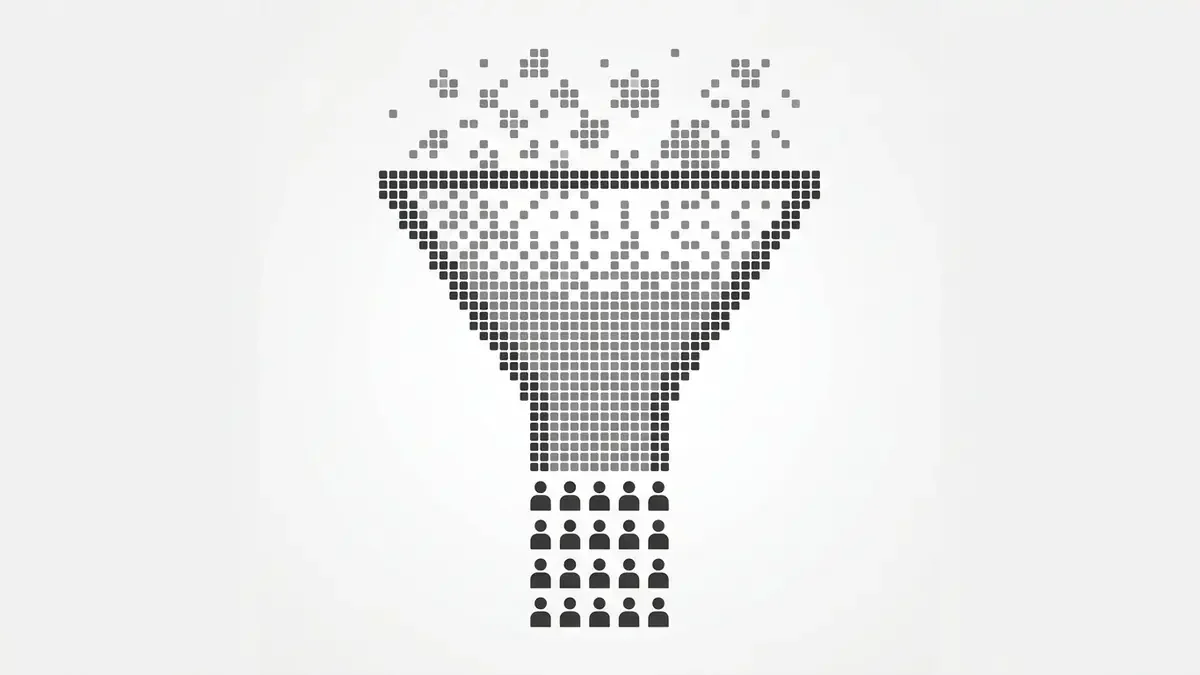
Intent data reveals which companies and people are actively researching a purchase. Learn how it works, the types, and how B2B teams use it.

Intent data shows who's researching topics. Visitor identification shows who's on your site. Learn the difference, why you need both, and how to combine them.

Intent decays in days, not weeks. A look at why Orbit runs a 24-hour refresh cycle, how the pipeline actually works, and what weekly refresh costs you.

A field-level teardown of how Orbit builds an intent topic, what a person-level signal contains, and what a score of 80 actually represents.

AI agents need real-time identity data. Compare identity resolution APIs by agent-readiness: webhooks, latency, SDK support, MCP servers, and data freshness.

You don't need to be technical to use Orbit. Here's how sales teams find in-market buyers, build prospect lists, and prioritize outreach with intent data.

Export person-level intent audiences from Orbit, upload to LinkedIn Campaign Manager, and run ads to people actively researching your category.

Traditional intent data tells you a company is interested. Personal-level intent tells you exactly who. Learn how B2B intent tracking is evolving.

Track who's researching your competitors. Build audiences of people actively evaluating alternatives in your category. Reach them before competitors do.

You can feed an AI agent useful intent signal without handing it raw PII. Here's the field-by-field design pattern plus how Leadpipe scopes data for agents.

Bombora tells you which company is interested. Orbit tells you which person. Compare coverage, pricing, data access, and when to use each.

Identify the CHROs, HR ops leaders, and benefits teams evaluating your HR-tech product 60 to 120 days before the formal RFP lands.

Find in-market buyers across 20,000+ B2B/B2C topics with person-level data. API walkthrough with endpoints, ICP filters, and code examples.

Five ready-to-use Orbit audience configurations for SaaS companies. Competitor researchers, pricing page intenders, category buyers, and more.

Most intent topics are noise. A handful predict revenue. Here is the framework for telling them apart, the topic-type hierarchy, and why recency beats breadth.

6sense is a real ABM platform priced for enterprise motions. The framework to evaluate fit, what to test in a POC, and when to walk away.

Agentic outbound breaks on the same layer every time. Not the model, not the orchestrator. The identity and intent layer underneath.

Most intent data is company-level. Person-level intent tells you WHO is researching topics, not just which company. Here's how it works and who offers it.

AI SDRs cap out at 1 to 2% reply on most firmographic lists. Here are the six reasons, in order of how much they matter, and what to fix first.

The architectural case for moving from cold outbound to intent-first. The framework, the tradeoffs, and where a BDR team still earns its keep in 2026.

Intent from last quarter tells you nothing about today. Here is why Leadpipe refreshes every record every 24 hours, and what weekly and monthly refreshes miss.

A playbook for legal-tech vendors: identify the partners, GCs, and operations leads researching your contract, e-discovery, or matter-management product.

AI SDRs need real-time, accurate data. Compare visitor ID, enrichment, intent, and contact database providers to find the right data stack for your AI agent.

AI gets the blame for inbox fatigue. The real killer is stale, commodity data feeding a system designed for scale without signal.

A direct answer to whether Orbit replaces Bombora, when it does, when it does not, and how to run a side-by-side test before you renew.
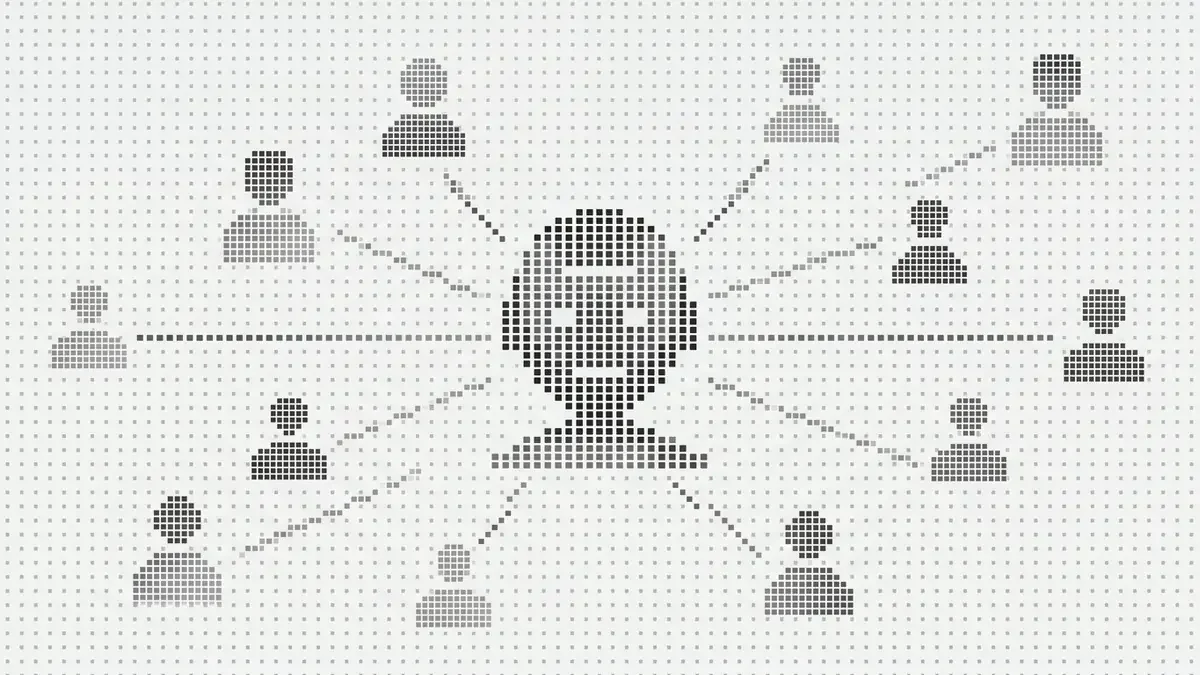
AI SDRs from 11x, Artisan, and others run on data. But 90% of website visitor data goes unused. Here's the identity layer that changes everything.

Lookalike audiences model similarity. Orbit audiences detect real buying behavior. A head-to-head comparison of which converts better and why.

Most of the modern web renders via JavaScript. How a serious intent pipeline parses SPA pages, headless rendering tradeoffs, and what naive crawlers miss.

The diligence questions a VP of Sales should ask before signing an intent data contract. Includes pricing, accuracy, data origin, and integration red flags.

6sense costs $25-100K/year and shows company-level data. Leadpipe Orbit gives you person-level intent across 20K topics starting at $147/month.

Bombora and 6sense tell you 'Acme Corp is interested.' Great - but who at Acme? Here's how to get person-level intent data instead.

Build a lead score that combines website visit behavior (pages, duration, frequency) with cross-web intent signals. More predictive than firmographics alone.

Compare 8 intent data providers on coverage, pricing, granularity, and API access. Person-level vs company-level and what it means for pipeline.

Common Room aggregates signals from multiple channels. If you need deeper visitor identification and person-level intent data, here are 7 alternatives.

Compare the best 6sense alternatives for 2026. Demandbase, ZoomInfo, Leadpipe & more--pricing, features, and match rates ranked.