

Intent data tells you who is researching your product category before they fill out a form or visit your website. According to Forrester’s B2B Intent Data Providers report, intent data has become a core component of modern B2B go-to-market stacks. In theory, it is the ultimate early warning system for sales teams - identifying accounts and individuals who are actively in a buying cycle so you can engage them first.
In practice, intent data varies wildly by provider. Some deliver company-level signals that tell you “Acme Corp is researching CRM software” without identifying which person at Acme Corp is doing the research. Others deliver person-level signals that name the individual. Some cover thousands of topics. Others cover hundreds. Some refresh daily. Others update weekly or monthly.
This guide compares 8 intent data providers across the dimensions that actually matter for pipeline generation: person-level vs company-level granularity, topic coverage, pricing, API access, and refresh frequency. If you are evaluating intent data for your sales and marketing stack, this is the comparison that will save you months of vendor conversations.
The Critical Distinction: Person-Level vs Company-Level
Before comparing providers, you need to understand this fundamental difference:
Company-level intent data tells you that employees at a company are collectively showing interest in a topic. “Salesforce is surging on cybersecurity.” This is useful for ABM targeting and ad campaigns, but sales teams cannot act on it directly. Which of Salesforce’s 70,000 employees is researching cybersecurity? What role? What department? Company-level does not say.
Person-level intent data tells you the specific individual who is showing interest. “Sarah Chen, VP of IT Security at Salesforce, is researching endpoint protection solutions.” This is directly actionable. Your SDR can send a personalized email to Sarah referencing her specific research area.
The gap between these two models is enormous. Company-level intent feeds account lists. Person-level intent feeds outbound sequences. If your sales motion depends on individual outreach (and most do), person-level is dramatically more valuable.
Quick Comparison: 8 Intent Data Providers
| Provider | Data Level | Topics | Pricing | API | Refresh | Best For |
|---|---|---|---|---|---|---|
| Leadpipe Orbit | Person | 20,810 | $147+/mo | Yes | Daily | Person-level at accessible pricing |
| Bombora | Company | 12,000+ | $25K+/yr | Yes | Weekly | Publisher cooperative model |
| 6sense | Company | 8,000+ | $50K+/yr | Limited | Weekly | Enterprise ABM platform |
| G2 | Company | Category-based | $15K+/yr | Yes | Real-time | Software category buyers |
| TrustRadius | Company | Category-based | $15K+/yr | Yes | Real-time | Enterprise software buyers |
| ZoomInfo | Company | 4,000+ | $25K+/yr | Yes | Weekly | Contact database + intent combo |
| Demandbase | Company | 8,000+ | $50K+/yr | Limited | Weekly | ABM + advertising |
| Clearbit | Company | Limited | $12K+/yr | Yes | Varies | HubSpot enrichment |
1. Leadpipe Orbit - Best for Person-Level Intent
The only provider delivering person-level intent data at accessible pricing.
Orbit represents a fundamentally different approach to intent data. While every other provider on this list delivers account-level signals (telling you which companies are researching a topic), Orbit delivers person-level signals (telling you which individuals are researching a topic). This is not a marginal improvement - it changes the entire workflow from “research which person at this company to contact” to “here is the person and their email.”
How Orbit Works
Orbit operates through Leadpipe’s cross-site pixel network. This network monitors web activity across thousands of sites, tracking which individuals visit content related to specific B2B topics. When a person who matches your ICP shows research behavior on topics relevant to your product, Orbit surfaces them with full contact details.
The system tracks 20,810 topics across 4.4B+ raw identity-graph nodes. Topics range from broad categories (“CRM software”) to specific solutions (“HubSpot vs Salesforce comparison”). You define your target audience using ICP filters (title, company size, industry, location) and topic selections, and Orbit delivers daily lists of matching individuals. Detailed walkthrough of how person-level intent works.
Key Differentiators
Person-level data. Every intent signal comes with the individual’s name, work email, phone number, LinkedIn profile, job title, and company information. No guessing which person at the account is showing interest.
20,810 topics. The broadest topic taxonomy in the comparison. You can track intent on niche topics that other providers do not cover.
Daily refresh. New intent signals are delivered every day. Weekly refresh (common with Bombora and 6sense) means 5-7 days of lag between a buyer’s research activity and your awareness of it.
ICP filtering. Orbit does not just tell you who is researching a topic - it filters for people who match your ideal customer profile. You can specify title, seniority, company size, industry, and location to ensure you only see relevant buyers.
Accessible pricing. Orbit is available as part of Leadpipe plans starting at $147/month. Compare this to Bombora ($25K+/year), 6sense ($50K+/year), or Demandbase ($50K+/year). The pricing difference is 10-30x.
Combined with visitor identification. Orbit is not a standalone intent feed. It is built into Leadpipe, which also provides website visitor identification at 30-40% match rates. You get both: who is visiting your site AND who is researching your category across the web.
Limitations
- Orbit’s cross-site network is strongest for US traffic. International person-level intent coverage is growing but not yet at parity.
- Topic selection requires thoughtful configuration to avoid overly broad or noisy audiences.
- As a newer product, Orbit is still expanding its integration ecosystem (though API access is full).
Verdict: Orbit is the clear leader for teams that need person-level intent data without enterprise pricing. No other provider delivers individual-level signals at this price point. If your sales motion depends on identifying and emailing specific people, Orbit is the only option that feeds your workflow directly.
Try Leadpipe and Orbit free - 500 leads, no credit card ->
2. Bombora - Industry Standard for Company-Level Intent
The original B2B intent data provider, strongest for company-level cooperative data.
Bombora pioneered the intent data category and remains the most widely deployed provider, consistently recognized by Gartner Peer Insights as a leading intent data source. Its data comes from a Data Co-op - a cooperative network of B2B media publishers and content sites that share anonymized consumption data. When employees at a company consume more content on a topic than their baseline, Bombora flags a “surge” signal.
How Bombora Works
Bombora’s cooperative includes thousands of B2B publishers (industry blogs, research sites, media properties). These publishers share anonymized content consumption data with Bombora. Bombora aggregates this data at the company level, comparing current consumption to historical baselines. When a company’s consumption on a topic exceeds the baseline by a defined threshold, a surge signal is generated.
Key Strengths
- Cooperative data model. The breadth of the publisher network means broad coverage of B2B research behavior.
- 12,000+ topics. Wide topic taxonomy covering most B2B categories.
- Broad integrations. Bombora data feeds into 6sense, Demandbase, ZoomInfo, HubSpot, Salesforce, and many other platforms. It is the most integrated intent data source.
- Established track record. Years of data history enable baseline comparison and trend analysis.
Key Weaknesses
- Company-level only. Bombora tells you “Acme Corp is surging on cybersecurity.” It does not tell you which person at Acme Corp is researching. Your sales team still needs to figure out who to contact.
- Weekly refresh. Surge scores update weekly, creating a 5-7 day lag between research activity and signal delivery.
- Cooperative model limitations. The data only covers content consumed on cooperative member sites. If a buyer researches on sites not in the cooperative (vendor websites, YouTube, Reddit, social media), Bombora does not see it.
- $25K+/year minimum. Enterprise pricing puts it out of reach for SMB and mid-market teams.
Orbit vs Bombora
We published a detailed comparison, but the headline: Orbit delivers person-level data at 10x lower cost. Bombora delivers broader company-level coverage with deeper platform integrations. If you need individual contact data, Orbit wins. If you need to feed company-level signals into an enterprise ABM platform, Bombora has the integration ecosystem.
3. 6sense - ABM Platform with Intent Built In
Best for enterprise teams running full-stack ABM who want intent as part of a broader platform.
6sense is not just an intent data provider - it is a comprehensive ABM platform that includes company identification, intent data, predictive analytics, audience segmentation, and ad orchestration. Intent data is one ingredient in a larger recipe.
How 6sense Intent Works
6sense aggregates intent from multiple sources: its own publisher network, Bombora data (available as an add-on), website visitor identification (company-level), and proprietary data partnerships. The aggregated signals feed into 6sense’s AI models, which predict buying stages for accounts (Awareness, Consideration, Decision, Purchase).
Key Strengths
- Multi-source intent aggregation. Combines multiple intent feeds for broader coverage.
- Predictive buying stages. AI models synthesize intent signals into actionable stages rather than raw data.
- Full ABM platform. Intent data is integrated with advertising, orchestration, and analytics.
- 8,000+ topics.
Key Weaknesses
- Company-level only. Like Bombora, intent signals are at the account level.
- $50K+/year minimum. Enterprise-only pricing.
- Platform lock-in. Intent data is delivered within the 6sense platform. Extracting raw data for use in other tools is limited.
- Implementation timeline. Full deployment takes 2-4 months with significant configuration.
- Weekly refresh. Intent signals update weekly.
4. G2 - Software Category Intent
Best for software companies that want to know who is researching their specific category on G2.
G2 is a software review marketplace. Its intent data is unique because it captures actual buyer research behavior on G2’s platform - people comparing products, reading reviews, and viewing pricing pages for specific software categories.
How G2 Intent Works
When a person visits a G2 category page, reads reviews of your product (or competitors), or compares solutions, G2 captures that behavior and attributes it to a company (via reverse IP lookup). The data is available through G2’s Buyer Intent dashboard or via API/integrations.
Key Strengths
- High-quality signal. Someone reading reviews of your product category on G2 is genuinely evaluating solutions. This is bottom-of-funnel intent.
- Category-specific. You know exactly which software category the account is researching, including competitor products.
- Real-time delivery. Signals are available within hours of the research activity.
- Competitor intelligence. See when accounts are looking at specific competitors.
Key Weaknesses
- Company-level only. G2 identifies the company via IP lookup, not the individual person.
- Narrow coverage. Only captures intent from G2.com visits. Does not see research happening on vendor websites, blogs, YouTube, or other channels.
- Software-only. Only relevant for software companies. Not applicable to services, hardware, or other B2B categories.
- $15K+/year. Moderate pricing but significant for a single-source signal.
5. TrustRadius - Enterprise Software Intent
Best for enterprise software companies targeting larger buyers.
TrustRadius is similar to G2 but focuses on enterprise software with deeper, more detailed reviews. Its intent data captures research behavior from enterprise buyers evaluating complex solutions.
How TrustRadius Intent Works
TrustRadius tracks buyer research on its platform - product page views, review reads, comparison views, and feature evaluations. Intent signals are attributed to companies and delivered through integrations with CRM and ABM platforms.
Key Strengths
- Enterprise buyer focus. TrustRadius skews toward larger companies and more complex buying processes. The buyers on TrustRadius tend to be further along in their evaluation.
- Detailed product research. Signals include specific features researched, competitors compared, and review content consumed.
- Verified reviews. TrustRadius verifies reviewer identity, which improves the quality of the platform’s traffic (fewer casual browsers, more genuine evaluators).
Key Weaknesses
- Company-level only. Same limitation as G2 - company-level, not person-level.
- Narrower traffic than G2. Smaller user base means fewer intent signals overall.
- Enterprise software only. Limited to software categories on TrustRadius.
- $15K+/year.
6. ZoomInfo - Contact Database + Intent Combo
Best for large sales teams that need a contact database and intent signals in one platform.
ZoomInfo combines a massive B2B contact database with company-level intent data, website visitor identification (company-level), and conversation intelligence. Intent is one module within a broader sales intelligence platform.
How ZoomInfo Intent Works
ZoomInfo aggregates intent from multiple sources, including its own proprietary data, Bombora partnership data, and website tracking. Intent signals are delivered at the account level and can be combined with ZoomInfo’s contact database to identify relevant contacts at surging accounts.
Key Strengths
- Database + intent. The combination of a large contact database with intent signals means you can identify surging accounts AND find the right contacts at those accounts within one platform.
- 4,000+ topics. Reasonable topic coverage for most B2B categories.
- Conversation intelligence. Call recording and analysis adds another signal layer.
- Strong API. Well-documented API for integrating intent data into custom workflows.
Key Weaknesses
- Company-level intent. Intent signals are at the account level. The contact database helps find people at those accounts, but you are still guessing who is actually doing the research.
- $25K+/year minimum. Enterprise pricing, and many features are add-ons.
- Data freshness concerns. Contact database data can lag, particularly for job titles and company information.
- Broad but shallow. ZoomInfo does many things, but intent is not its core product. Dedicated intent providers often have deeper coverage.
7. Demandbase - ABM Platform with Intent + Advertising
Best for enterprise teams that want to combine intent data with ABM advertising.
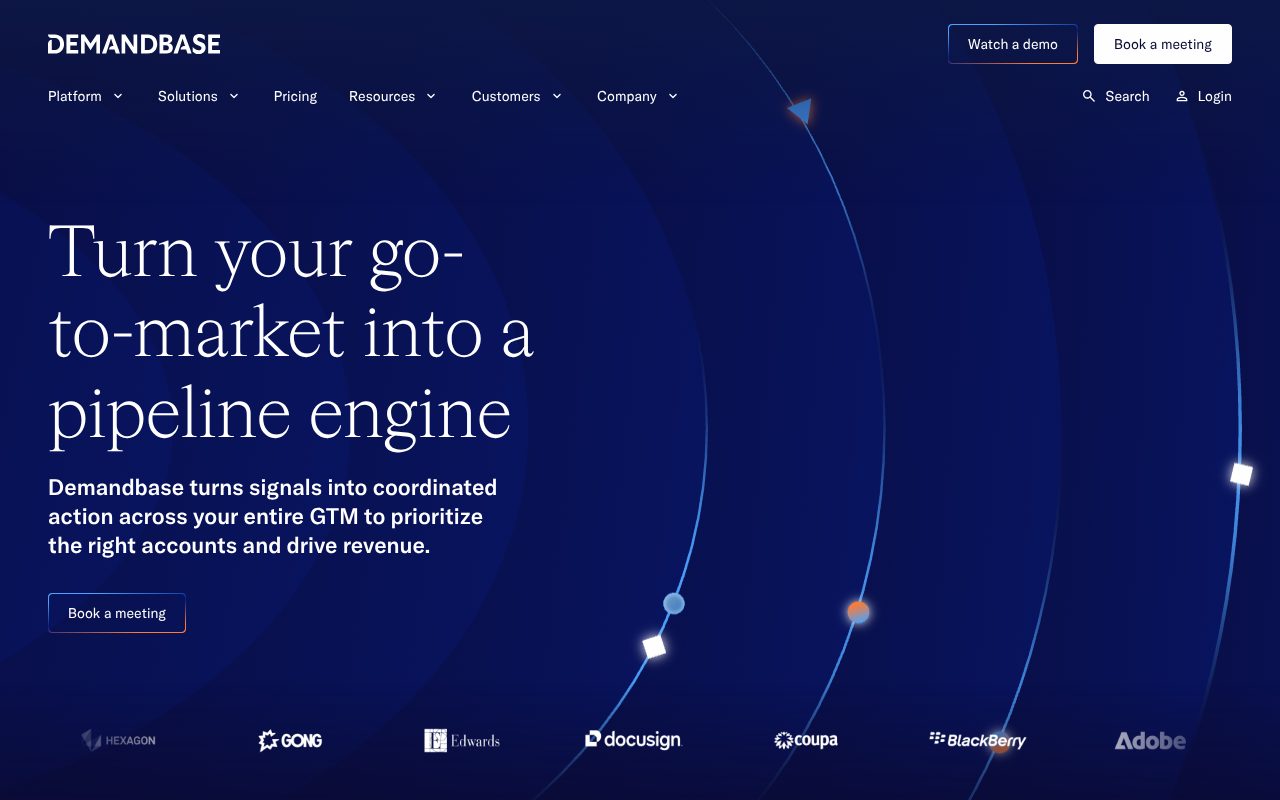
Demandbase, like 6sense, is a full ABM platform. Its intent data feeds into account identification, audience segmentation, and programmatic advertising. The unique angle is the tight integration between intent signals and ad targeting - you can serve display ads to accounts showing intent on specific topics.
How Demandbase Intent Works
Demandbase aggregates intent from multiple sources: its own publisher network, third-party data partnerships, and website visitor identification (company-level). Signals feed into account scoring models and can trigger automated advertising campaigns.
Key Strengths
- Intent-driven advertising. The integration between intent signals and programmatic ad delivery is the tightest in the market. You can automatically serve ads to accounts showing intent, creating a closed loop from signal to engagement.
- 8,000+ topics.
- Multi-source aggregation. Combines multiple intent feeds for broader coverage.
- Full ABM platform. Intent is integrated with account selection, scoring, and measurement.
Key Weaknesses
- Company-level only. Same limitation as all ABM platforms.
- $50K+/year. Enterprise pricing.
- Ad-focused ROI model. Demandbase’s ROI story often depends on the advertising component, which adds cost and complexity.
- Weekly refresh. Intent signals update on a weekly cadence.
8. Clearbit (Breeze Intelligence) - Enrichment + Basic Intent
Best for HubSpot teams that want basic company identification as a starting point.
Clearbit (now Breeze Intelligence within HubSpot) is primarily a data enrichment tool, not a dedicated intent data provider. However, its website visitor identification (company-level) and enrichment capabilities provide some intent-adjacent signals within the HubSpot ecosystem.
How Clearbit Works
Clearbit identifies which companies visit your website using reverse IP lookup and enriches the company records with firmographic data. Within HubSpot, this data can be used to trigger workflows, score leads, and prioritize accounts.
Key Strengths
- Native HubSpot integration. Seamless experience for HubSpot users.
- Clean company data. Reliable firmographic enrichment.
- Website identification. Company-level visitor identification as a baseline.
Key Weaknesses
- Not really intent data. Clearbit tells you which companies visited your site, but it does not track cross-web research behavior. Website visits are one signal, not intent.
- Company-level only. No person-level identification or intent.
- $12K+/year. Expensive for enrichment-only capability.
- HubSpot lock-in. Now part of the HubSpot ecosystem, limiting flexibility.
Full Comparison Table
| Feature | Orbit | Bombora | 6sense | G2 | TrustRadius | ZoomInfo | Demandbase | Clearbit |
|---|---|---|---|---|---|---|---|---|
| Person-level | Yes | No | No | No | No | No | No | No |
| Company-level | Yes | Yes | Yes | Yes | Yes | Yes | Yes | Yes |
| Topics | 20,810 | 12,000+ | 8,000+ | Category | Category | 4,000+ | 8,000+ | Limited |
| ICP filtering | Yes | Limited | Yes | No | No | Yes | Yes | Limited |
| API access | Full | Yes | Limited | Yes | Yes | Yes | Limited | Yes |
| Refresh | Daily | Weekly | Weekly | Real-time | Real-time | Weekly | Weekly | Varies |
| Website visitor ID | 30-40% | No | Company | No | No | Company | Company | Company |
| Starting price | $147/mo | $25K+/yr | $50K+/yr | $15K+/yr | $15K+/yr | $25K+/yr | $50K+/yr | $12K+/yr |
| Best for | Person-level intent | Cooperative data | Enterprise ABM | Software reviews | Enterprise reviews | Database + intent | ABM + ads | HubSpot |
How to Choose the Right Intent Data Provider
Start with the granularity question
If your sales motion requires individual outreach (email, LinkedIn, phone), you need person-level intent data. Only Leadpipe Orbit delivers this. Every other provider on this list delivers company-level signals that require additional research to find the right person.
If your sales motion is account-based (targeted ads, SDR research, ABM programs), company-level intent works. Choose based on budget and platform needs.
Match to your budget
- Under $200/month: Leadpipe with Orbit ($147/mo)
- $12-15K/year: Clearbit, G2, or TrustRadius (pick based on use case)
- $25K+/year: Bombora or ZoomInfo (pick based on whether you need a database)
- $50K+/year: 6sense or Demandbase (pick based on ABM vs advertising priority)
Consider your existing stack
- HubSpot: Clearbit (native) or Bombora (via integration)
- Salesforce: 6sense, Demandbase, or ZoomInfo (all integrate well)
- Custom stack/API-first: Leadpipe Orbit or Bombora (best APIs)
- No ABM platform: Leadpipe Orbit (standalone, no platform required)
Evaluate refresh frequency
For fast-moving sales cycles (SaaS, SMB), daily refresh matters. A week-old intent signal may be too late if the buying cycle is 14 days. Orbit’s daily refresh is the fastest among providers that track broad B2B topics.
For enterprise sales cycles (6-18 months), weekly refresh is acceptable. The signals are used for account prioritization rather than immediate outreach.
The Bottom Line
The intent data market in 2026 splits cleanly between legacy company-level providers and the emerging person-level approach.
If you can work with company-level data and have an enterprise budget, Bombora has the broadest coverage and deepest integration ecosystem. If you need a full ABM platform, 6sense (predictive analytics) and Demandbase (advertising) are the leaders.
But if you need to know the specific person who is in-market - their name, email, and phone - Leadpipe Orbit is the only provider that delivers person-level intent data at an accessible price point. At $147/month versus $25K-50K/year for the alternatives, the ROI math is compelling.
The future of intent data is person-level. Orbit is there today.
Try Leadpipe and Orbit free - 500 leads, no credit card required ->
FAQ
Which intent data provider is most accurate?
Accuracy depends on what you are measuring. For person-level intent, Leadpipe Orbit is the only provider delivering individual contact data at scale. For company-level accuracy, Bombora has the broadest cooperative network and strongest baseline comparison. G2 and TrustRadius provide the highest-quality signals for software category research specifically, because the traffic is self-selected buyers. There is no single “most accurate” provider - match the tool to your use case.
Is first-party intent better than third-party intent?
First-party intent (your own website visitors, product usage) is the strongest signal because it is direct buyer behavior on your property. Third-party intent (cross-web research, publisher networks) has broader reach but weaker signal quality. The best stacks combine both: visitor identification for first-party, intent data providers for third-party. Using either alone leaves gaps in the buying journey.
How much does intent data cost?
Entry-level intent data like Leadpipe Orbit starts at $147/month. Mid-market providers (G2, TrustRadius, Clearbit) run $12K-$15K+/year. Enterprise platforms (Bombora, ZoomInfo) start at $25K+/year. Full ABM platforms with intent built in (6sense, Demandbase) start at $50K+/year. Person-level intent at accessible pricing is rare - most providers at the low end deliver company-level signals only.
What is the difference between person-level and company-level intent data?
Company-level tells you “Acme Corp is researching CRM software” but not which of their 5,000 employees. Person-level names the individual: “Sarah Chen, VP of IT at Acme, is researching endpoint security.” Company-level works for ABM ad targeting. Person-level works for outbound sequences because your SDR can email Sarah directly. For sales-led motions, person-level is dramatically more actionable.
Can I use intent data with my existing CRM?
Yes. All major providers integrate with Salesforce and HubSpot. Bombora and ZoomInfo have the widest integration ecosystems. Leadpipe delivers intent data via webhook and a full REST API, so you can route signals to any CRM or stack without platform lock-in. Check the integration list before buying - some providers (6sense, Demandbase) deliver intent inside their platform, with limited ability to extract raw data.