

Definition
Lead generation is the process of attracting potential customers and capturing their contact information so that sales and marketing teams can nurture them toward a purchase. In B2B, a “lead” is typically a person at a company who fits your target profile and has shown some level of interest in what you sell. Lead generation encompasses everything from inbound content marketing and paid advertising to outbound prospecting and, increasingly, visitor identification tools that capture leads without requiring a form fill.
How It Works
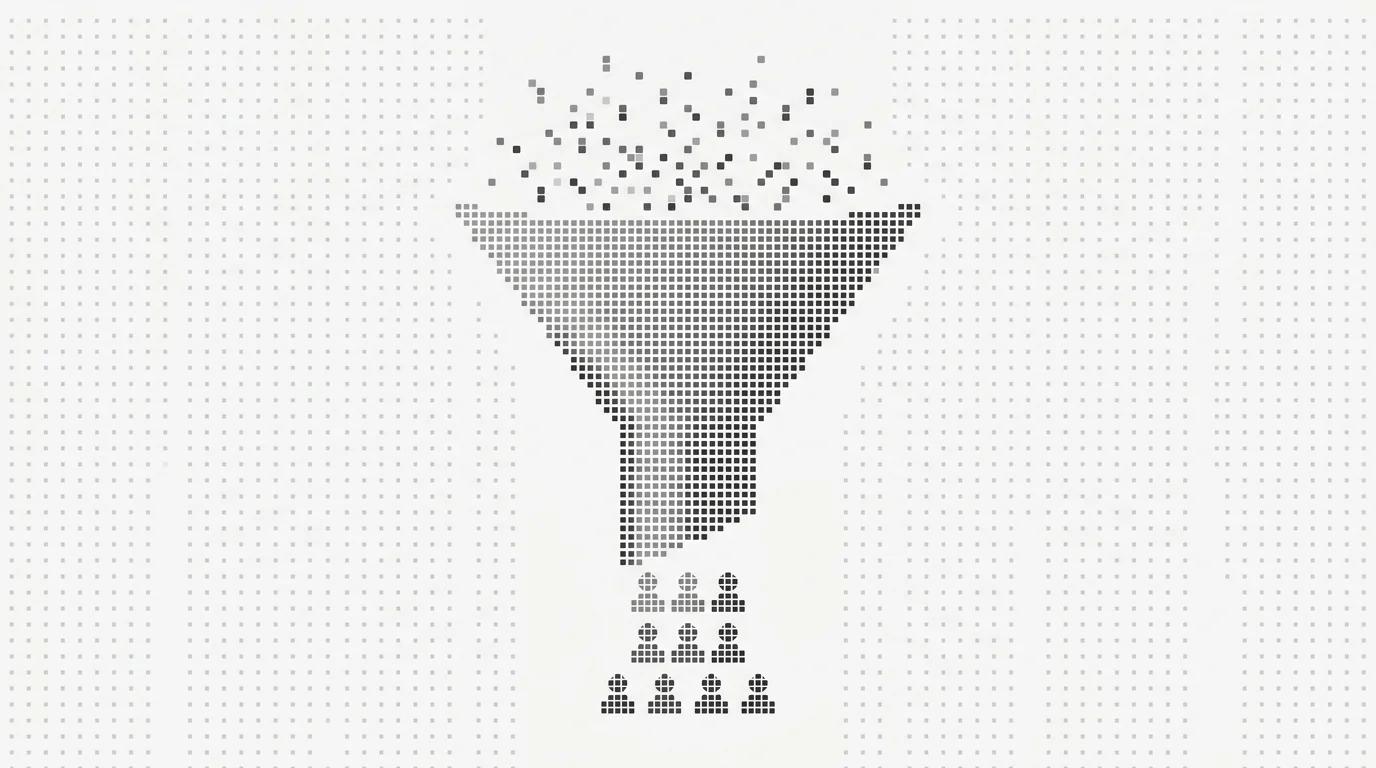
Traditional lead generation follows a simple funnel: drive traffic to a website, present a form or gated asset, and collect contact information from the small percentage who opt in. The leads flow into a CRM, get scored and qualified, and eventually reach a salesperson.
The problem with this model is math. Only 2-3% of B2B website visitors fill out a form. That means 97% of your traffic - people who were interested enough to visit - leave without generating a lead. You paid to get them there, but you got nothing back.
Modern B2B lead generation has expanded beyond forms to include multiple capture methods. Content marketing attracts organic visitors through blog posts, guides, and research. Paid acquisition drives targeted traffic through Google Ads, LinkedIn, and other channels. Outbound prospecting involves proactively reaching out to target accounts using purchased data. Event marketing captures leads through webinars, conferences, and community engagement. And visitor identification captures contact data from anonymous website visitors who never fill out a form, effectively turning your existing traffic into leads.
The shift happening in 2026 is that the form-dependent model is losing ground. Buyers want to research anonymously. They resist gating. Companies that rely solely on form fills are capturing a shrinking percentage of their actual demand. The most effective lead generation strategies now combine multiple capture methods - with visitor identification filling the gap between “website visitor” and “known lead.”
Why It Matters
Lead generation is the lifeblood of B2B revenue. Without a consistent flow of qualified leads, sales teams have no pipeline, marketing teams cannot demonstrate ROI, and the business cannot grow predictably.
The cost of lead generation also drives critical business decisions. When your cost per lead from Google Ads is $200 and your close rate is 5%, you can calculate exactly how much revenue each marketing dollar generates. When visitor identification drops your effective cost per lead to $2-5, it changes the entire unit economics of your go-to-market motion.
For B2B companies, lead generation quality matters as much as quantity. A hundred identified visitors who match your ideal customer profile and visited your pricing page are worth more than a thousand downloaded ebook leads who may never buy. The trend is toward fewer, higher-intent leads - and the tools to capture them are evolving accordingly.
Examples
-
Inbound + visitor ID: A SaaS company publishes SEO-optimized content that attracts 15,000 monthly visitors. Forms capture 300 leads. Visitor identification captures an additional 3,000 identified contacts, 10x-ing their lead volume from the same traffic.
-
ABM lead gen: A sales team targets 500 named accounts. Instead of cold-calling every contact, they use intent data to identify which accounts are actively researching their category, then monitor those accounts’ website visits for person-level identification and timely outreach.
-
Agency lead gen service: A marketing agency uses white-label visitor identification to offer “lead generation as a service” to clients. The agency drives traffic through content and ads, then delivers identified visitor reports as the lead deliverable.
Related Concepts
| Concept | Description | Learn More |
|---|---|---|
| Visitor Identification | Capturing leads from anonymous traffic without forms | What Is Visitor Identification? |
| Intent Data | Signals indicating a prospect is actively researching | What Is Intent Data? |
| ICP | Defining who your best-fit customers are | What Is ICP? |
| Match Rate | The percentage of visitors you can identify | What Is Match Rate? |
| ABM | Targeting specific accounts with personalized campaigns | What Is ABM? |